
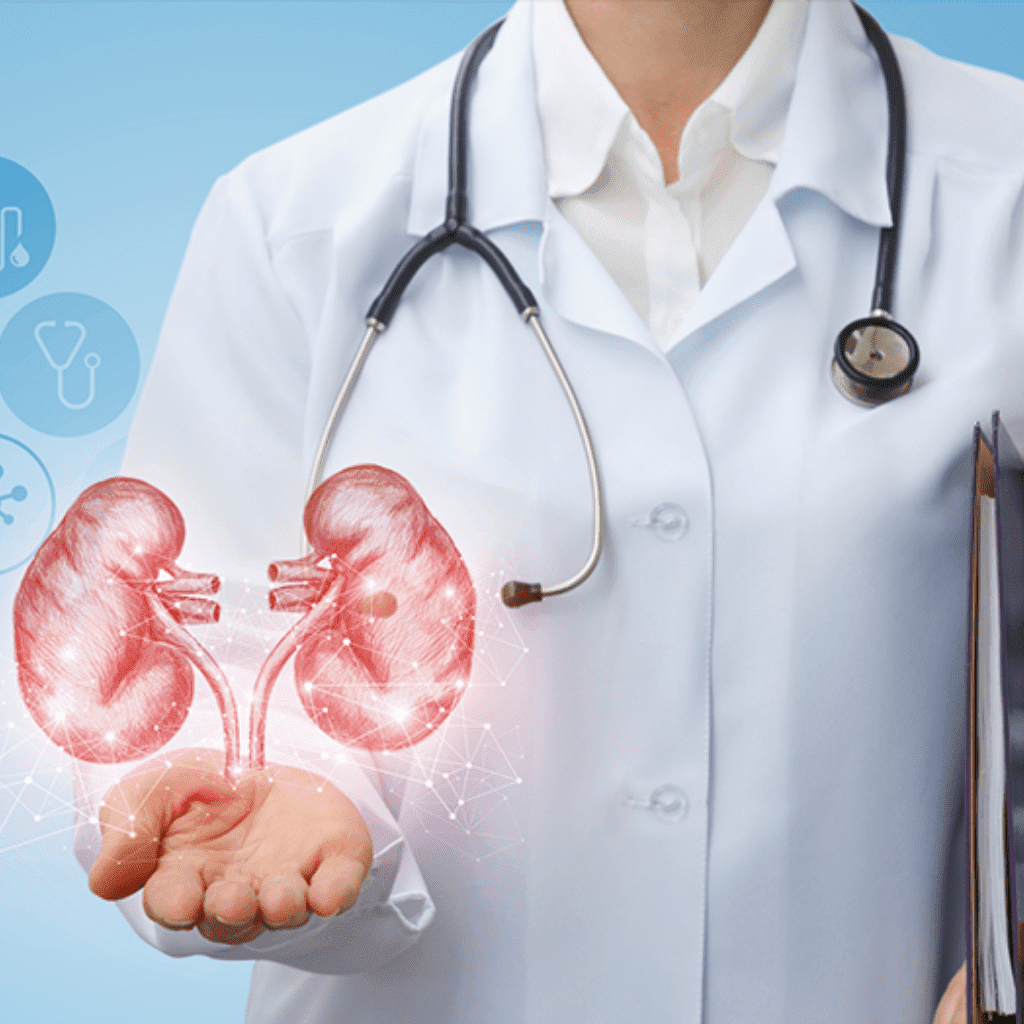
Dr. Kamalesh, well known Kidney Stone Specialist with patients who did not pay keen attention to the early signs of discomfort, only to realize later that they had a kidney stone. A kidney stone usually starts silently, growing within the urinary tract and often showing no pain until it begins to move or cause blockage. This is why consulting a kidney stone specialist in Dubai at the early stage can help in timely diagnosis and proper treatment.
Early symptoms are confused with a number of people with digestive problems or muscle pain. Nonetheless, kidney stones have patterns that are rallied by the body when there is a proper understanding.
The majority of the population only thinks of kidney stones as the occurrence of sudden painful pains, but symptoms often begin much earlier. Early detection of kidney stone symptoms will enable the doctor to control the condition before it develops to a level that necessitates surgical intervention.
Kidney stones develop as a result of crystallization of minerals and salts within the kidneys as a result of dehydration, eating habits or metabolism. As the stone grows or moves, it begins to irritate surrounding tissues, triggering warning signs.
Listening to these signals can prevent emergency situations.
Kidney Stone is a condition that has one of the first signs being pain in the lower back or side. This pain usually is located under ribs and it may be intermittent at first.
Kidney stone pain, in contrast to muscle pain, does not respond to rest or change of position.
Patients often describe the sensation as deep internal pressure rather than surface level soreness.
The pain may become very intense as the stone moves up towards the ureter. This stage produces sharp waves of pain that may spread toward the abdomen or groin.
The intensity tends to vary due to the change of position of the stone. Most patients undergo a couple of minutes of relief which is then temporary before the pain sets in.
This is one of the most common kidney stone symptoms that should be addressed by the medical professional.
A burning or uncomfortable feeling while urinating may signal that the stone has reached the lower urinary tract.
This symptom is often mixed with the urinary infections. Nevertheless, when it is accompanied by the pain on the flank or the pain, it is a strong indication of movement of kidney stones.
Painful urination is caused by inflammation which occurs as a result of irritation by the stone lining.
The other typical symptom is that of having to urinate more often than usual. The urge is not very sensitive to the amount of urine that passes.
This is because the stone will cause nerves to be irritated in the urinary tract, giving one a persistent feeling of pain.
Patients occasionally think that they have hydration problems or bladder problems when they do not even realize that some Kidney Stone can be the cause.
Pink, red, or brown colored urine is one of the more frightening symptoms. The scraping of stones on the walls of urinary tracts may lead to mild bleeding.
The volume of blood could be minimal, but it is never to be disregarded. The urine color usually changes visibly and this is usually a sign of internal irritation or injury.
This is the point when medical assessment is needed in order to avoid complications.
Kidney stones can affect nearby nerves connected to the digestive system. This contact usually results in nausea or vomiting as well as pain.
Extreme pain causes the stress reaction of the body, and it causes digestive disturbance. Most of the patients complain of feeling unwell even before they develop a lot of pain.
These symptoms together with back pain are a strong indication of the possible involvement of the kidneys.
In case of a kidney stone that prevents the passage of urine, then one might develop an infection. Fever, chills are severe warning signs that should be addressed by a medical practitioner.
Kidney stones related infections may develop fast in case they are not treated. Ignoring these symptoms may lead to more complex health risks.
Early diagnosis has a large impact in minimizing the complexity of treatment. Smaller stones could be carried through hydration and medicine, whereas large stones could be treated with complex surgeries.
The current medical technology enables fewer invasive procedures that enhance quicker healing and less pain. Consultation is timely to assist the doctor in selection of the safest method depending on the size and location of the stone.
Patients who respond early often avoid emergency interventions.
A number of daily practices would lead to development of kidney stones. One of the major causes is dehydration, which is rapid in warm climate.
High salt intake, excessive processed foods, and inadequate dietary balance may also increase risk. Genetics and certain medical conditions further influence stone development. Balanced nutrition and hydration are a significant preventive measure.
Most human beings are willing to endure pain longer than necessary thinking that pain will eventually clear away on its own. Nevertheless, the continuous symptoms are to be assessed by a professional.
Pain is severe, in urine is blood, fever, or difficulty in urinating should be urgently consulted. Early diagnosis is correct diagnosis and elimination of complications.
Knowing the kidney stone symptoms will help patients to take preventive measures before the conditions deteriorate.
Knowledge of these seven red flags would enable people to understand when their body is giving them signs that they have a Kidney Stone. Early medical intervention, proper diagnosis and proper treatment are beneficial in faster healing and long-term urinary health.